
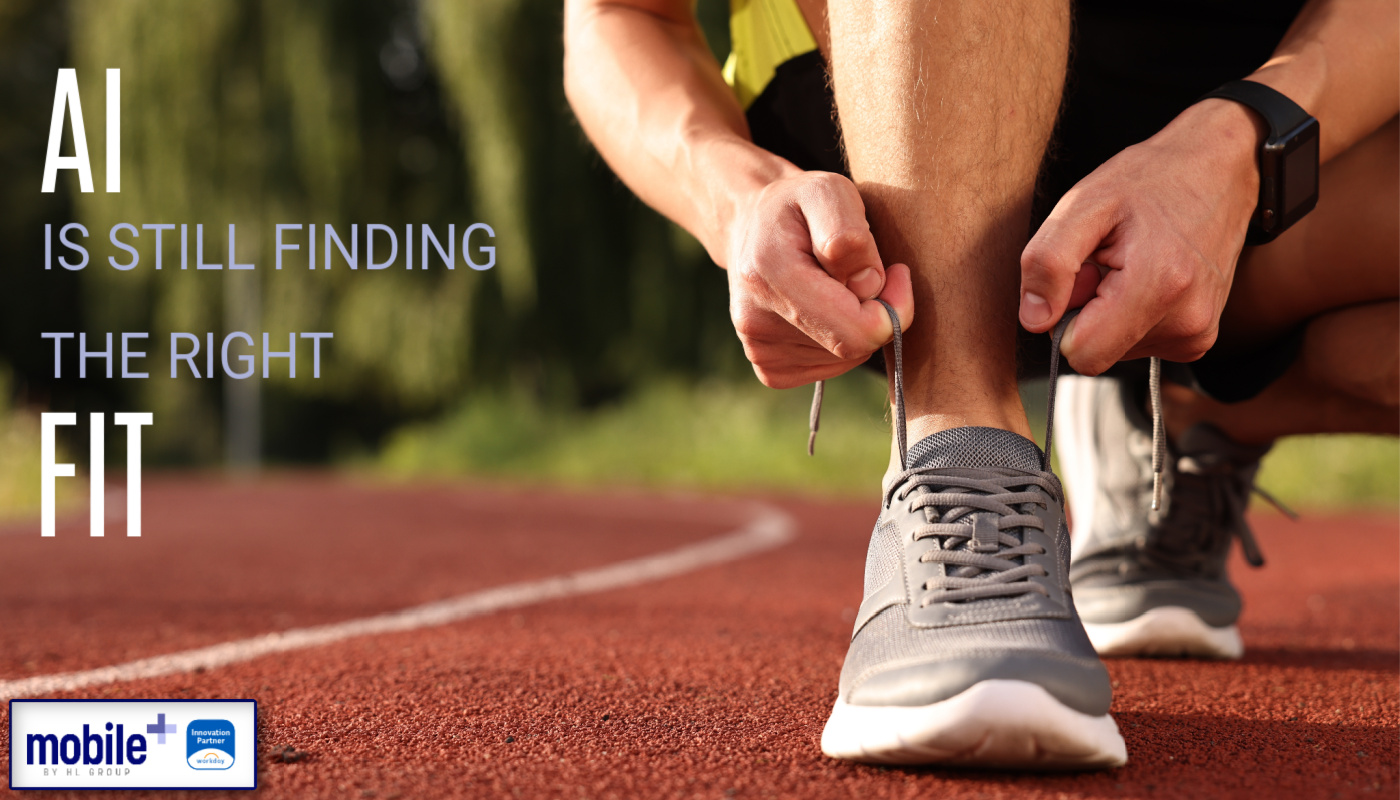

I recently came across an article that offered an interesting observation about what AI can and cannot do today (and may not be capable of for some time).
I’ve seen a few new technologies arrive in my 45+ years in business. I’m a huge fan of AI, but like all technologies, it attracts a lot of optimism – and pessimism in its early phases.
These Shoes Were Made for Running
AI can help with a lot of things, but it has no idea what I’m looking for in a sole mate.
By Allysia Finley
These Shoes Were Made for Running – WSJ
“A good running shoe can be hard to find. I turned to ChatGPT to help me find my new sole mate. Alas, none of its recommendations checked all of my boxes.”
Moral of the story? AI can assist with research, but it can’t substitute for real-world experience or personal judgment. It can help a doctor make a diagnosis, but it can’t replace 30 years of experience treating patients. It can help the military find targets and wargame, but commanders still have to weigh a strategy’s risks against the upsides.
AI dating apps can propose romantic matches that align with a person’s specified criteria, but close friends and family are still likely to be better match-makers. Gut instincts—which derive from living in the real world and interacting with real people—will almost invariably be a better judge than AI, though people increasingly defer to the latter.
Nearly 1 in 5 young people ages 12 to 21 say they’ve used AI chatbots for mental-health advice, according to a recent study in the Journal of the American Medical Association Pediatrics. But chatbots can’t know you. They can’t feel empathy, even if they do a good job of faking it. All they can do is regurgitate script they’ve been trained on.
AI hasn’t walked in your shoes. It hasn’t experienced life’s blisters and bruises, which are what build character and judgment.
Ms. Finley is an editorial-board member and Life Sciences columnist at WSJ Opinion